
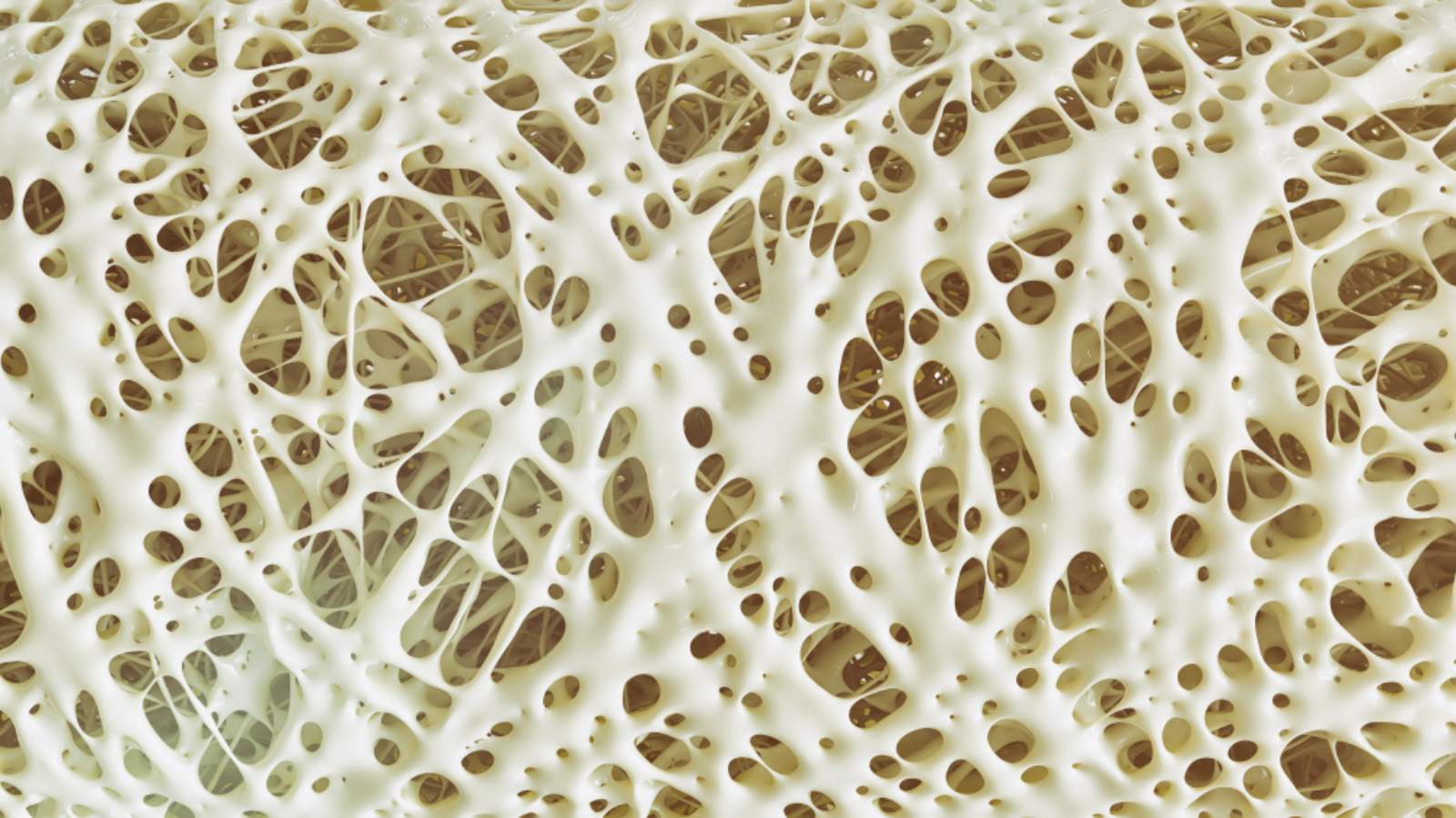
Parkinson’s disease, a progressive neurological disorder, is widely recognized for its impact on motor skills. However, its connection to skeletal health—particularly osteoporosis—is often overlooked. Osteoporosis, a condition characterized by weakened and brittle bones, poses a significant risk for those with Parkinson’s due to factors like reduced physical activity, nutritional deficiencies, and the long-term effects of medication. Understanding this link is crucial for proactive management and improved quality of life.
Understanding Parkinson’s Disease and Its Impact on Movement
Parkinson’s disease primarily affects movement and motor skills, leading to symptoms such as:
- Bradykinesia (slowness of movement): This can make everyday tasks challenging and contribute to reduced physical activity, which is crucial for bone health.
- Tremors: These involuntary movements can disrupt fine motor skills, impacting daily activities like writing and dressing.
- Rigidity: Muscle stiffness can limit the range of motion, making it difficult to stay active and maintain bone strength.
- Impaired balance and coordination: These symptoms significantly increase the risk of falls, which is particularly dangerous for individuals with osteoporosis.
These motor impairments not only affect daily living but also contribute to a decline in weight-bearing activities essential for maintaining bone density.
The Link Between Parkinson’s Disease and Osteoporosis
Increased Risk Factors
Several factors contribute to the increased risk of osteoporosis in individuals with Parkinson’s:
- Reduced physical activity: Parkinson’s symptoms make it challenging to engage in regular weight-bearing exercises, accelerating bone loss.
- Medication effects: Some dopaminergic medications used to manage Parkinson’s symptoms may negatively impact bone density over time.
- Nutritional deficiencies: Swallowing difficulties, loss of appetite, or medication side effects can lead to deficiencies in calcium, vitamin D, magnesium, and other nutrients essential for bone health.
- Increased fall risk: Balance and coordination issues heighten the likelihood of falls, which can lead to fractures in individuals with osteoporosis.
Role of Toxicity and Bone Density Loss
Recent research suggests that certain toxins and heavy metals accumulate in the bones over time. When individuals with Parkinson’s begin losing bone density, these toxic substances may leach into the bloodstream, potentially leading to cellular damage. This process may exacerbate neurodegenerative symptoms, further worsening Parkinson’s disease. Addressing osteoporosis in Parkinson’s patients is not only crucial for preventing fractures but may also contribute to better neurological health.
Managing Bone Health in Parkinson’s Patients
Importance of Nutrition
A balanced diet is essential for maintaining bone health and mitigating osteoporosis risk. Key nutrients include:
- Calcium: Found in leafy greens, nuts, seeds, and fortified plant-based products.
- Vitamin D: Essential for calcium absorption; sources include fatty fish, egg yolks, and adequate sunlight exposure.
- Magnesium: Supports bone structure and is present in nuts, seeds, and leafy greens.
- Vitamin K: Aids in bone mineralization and is found in leafy greens like kale and spinach.
- Protein: Supports muscle and bone strength, reducing fall risk.
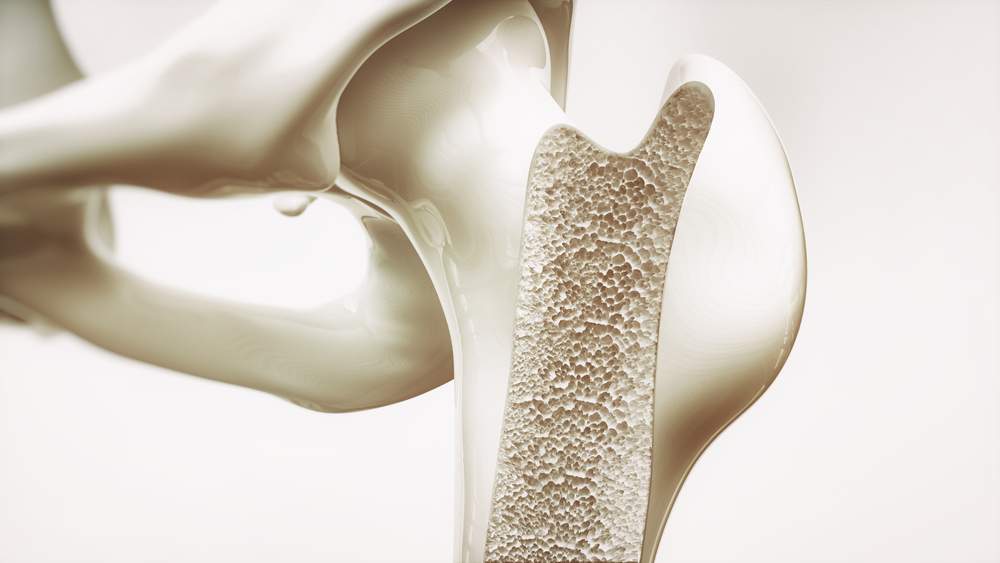
Individuals with Parkinson’s should work with healthcare providers to ensure adequate nutrient intake, potentially incorporating supplements when necessary.
Exercise and Physical Activity
Regular physical activity is vital for preserving bone density and preventing fractures. Parkinson’s patients should focus on:
- Weight-bearing exercises: Walking, stair climbing, and resistance training help maintain bone strength.
- Balance and coordination exercises: Tai Chi, yoga, and balance drills improve stability and reduce fall risk.
- Strength training: Resistance exercises with bands or light weights can help build muscle mass, supporting bone health.
A personalized exercise plan, developed with a physical therapist, ensures safe and effective activity tailored to the individual’s abilities.
Treatment and Monitoring Strategies
Regular Bone Density Screenings
Routine screenings, such as dual-energy X-ray absorptiometry (DEXA) scans, are essential for early detection of bone loss. These tests provide insights into bone mineral density, allowing for timely interventions such as lifestyle modifications, dietary adjustments, or medication.
Serum CTX (C-terminal telopeptide) and serum NTX (N-terminal telopeptide) are biomarkers of bone resorption, and measuring their levels helps monitor bone health by indicating the rate at which bone is being broken down, which can aid in assessing conditions like osteoporosis or the effectiveness of bone-strengthening treatments. Since serum CTX and NTX are blood tests that reflect bone turnover, they can provide ongoing insights into bone health and resorption rates, helping to monitor changes in bone metabolism between DEXA scans, which measure bone density.
Personalized Exercise Programs
Physical therapists can develop individualized exercise plans to improve mobility, enhance strength, and reduce the risk of fractures. These programs should evolve with the patient’s changing needs to maximize effectiveness.
The Role of a Collaborative Care Approach
Healthcare Provider Coordination
A comprehensive care team—including neurologists, physical therapists, dietitians, and orthopedic specialists—can help manage both Parkinson’s and osteoporosis. Regular communication ensures holistic treatment addressing both conditions.
Family and Caregiver Support
Caregivers play a crucial role in assisting with daily tasks, ensuring adherence to exercise regimens, and providing emotional support. Their involvement enhances overall quality of life and helps mitigate osteoporosis risks.
Taking Proactive Steps for Better Health
If you or a loved one is managing both Parkinson’s disease and osteoporosis, proactive care can make a significant difference. Addressing bone health through proper nutrition, regular exercise, and medical monitoring can reduce risks and improve overall well-being.
Need expert guidance? Contact our team today to create a personalized care plan tailored to your needs.