





While genetics often take center stage in neurological discussions, environmental factors, specifically industrial solvent exposure, are now recognized as a primary driver of Parkinson’s risk. For those in manufacturing, aviation, and chemical processing, understanding this “toxic burden” is the first step toward neurological preservation.

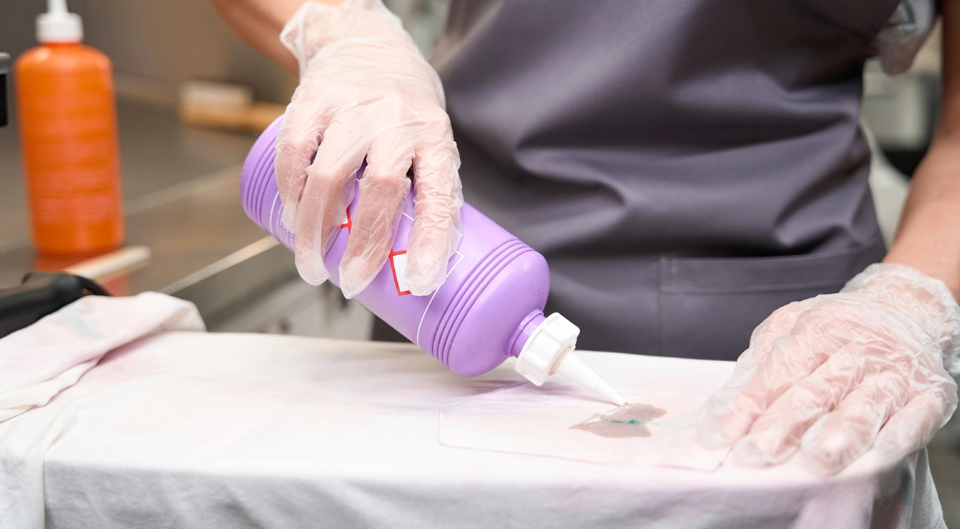
What are Industrial Solvents? Industrial solvents are a group of volatile liquid chemicals. These include: degreasers, thinners, and cleaning agents, used to dissolve or disperse materials like oils, fats, and resins. Because they are designed to break down tough industrial substances, they are often “lipophilic” (fat-soluble), allowing them to easily bypass the body’s natural defenses and enter the lipid-rich environment of the human brain.

Solvent Common Use Case Main Risk
Trichloroethylene (TCE) Metal Degreasing, Dry Cleaning Substantia Nigra damage
Perchloroethylene (PERC) Dry Cleaning, Brake Cleaners Neuroinflammation
Toluene Paint Thinner, Adhesives Mitochondrial Stress


The Trichloroethylene (TCE) Connection: A Known Neurological Threat

Among the various compounds linked to dopaminergic cell death, Trichloroethylene (TCE) stands out as the most concerning. Once a widespread degreasing agent and even a dry-cleaning solvent, TCE is a volatile organic compound that:

DID YOU KNOW?

Research suggests that high-level exposure to certain solvents like TCE can increase Parkinson’s risk by over 500%. Because the latency period can be 10 to 40 years, many patients do not immediately connect their current symptoms to past workplace environments.

Link to: https://pubmed.ncbi.nlm.nih.gov/36938742/

How Chemical Toxicity Affects the Brain

Industrial chemical toxicity doesn’t cause damage overnight. It is a “slow-burn” process where the body’s detoxification pathways become overwhelmed.

  1. Mitochondrial Interference: Solvents act as metabolic “sand in the gears,” preventing your cells from producing energy efficiently.
  2. Oxidative Stress: Exposure triggers a flood of free radicals that strip the protective membranes of your neurons.
  3. Chronic Neuroinflammation: Once the brain’s immune cells (microglia) are activated by toxins, they may stay “on,” causing long-term, low-grade inflammation.

The 5 Stages of Solvent-Induced Neurodegeneration

Understanding the progression allows for earlier intervention.

Who is Most at Risk?

Occupational hazards are highest for those who have spent significant time in:

⚠️ THE CAMP LEJEUNE PRECEDENT You do not have to work in a factory to be at risk. Between 1953 and 1987, thousands of service members and families at Camp Lejeune were exposed to TCE levels in drinking water that were 280 times the safety limit. This exposure has been officially linked to a significantly higher incidence of Parkinson’s Disease among veterans, proving that environmental “micro-exposures” over time can be just as damaging as direct industrial work

The Genetic Filter: Why Some Are More Vulnerable

Not everyone exposed to industrial solvents will develop a neurological condition. The difference often lies in your biochemical individuality. Your body relies on a specific family of enzymes to “tag” and escort toxins out of your system.

The CYP2E1 Enzyme Connection


The CYP2E1 gene provides instructions for making an enzyme that breaks down several types of toxins, including Trichloroethylene (TCE).

The GST (Glutathione S-Transferase) Shield

Another critical factor is the GSTM1 and GSTP1 genes. These genes manage the production of Glutathione, your brain’s primary defense against oxidative stress. If you have a “null” genotype for these genes, your “shield” against solvent-induced damage is effectively down.

Clinical Summary: When we combine a high-exposure history with a genetic inability to detoxify those specific chemicals, the risk for dopaminergic cell loss increases exponentially. This is why a “one-size-fits-all” approach to Parkinson’s often fails.

Reducing Your Toxic Load: The 3-Pillar Strategy

If you suspect past or present exposure, the clinical goal shifts from avoidance to active elimination. We use a “Bio-Purification” approach to support your neurological resilience.

Pillar 1: Biological Detoxification

We must “unclog” the pathways that solvents use to damage your brain.

Pillar 2: Environmental Remediation

Stop the “micro-exposures” that happen inside your own home.

Pillar 3: Neuro-Protective Nutrition

Create a biological “buffer” against oxidative stress.

A New Path Forward with The Parkinson’s Plan

A Parkinson’s diagnosis, or the fear of one, can feel overwhelming, but environmental risk is a modifiable factor. By identifying your specific toxic burden and implementing a personalized detoxification and neuro-support protocol, you can take more control of your brain health.

Schedule a complimentary Meet and Greet Today

Frequently Asked Questions

Can you reverse brain damage caused by industrial solvents?

While neurons that have already been lost cannot be replaced, the brain possesses neuroplasticity. By removing the source of the “toxic burden” and supporting the remaining neurons through mitochondrial repair and inflammation reduction, you can often improve functional symptoms and slow further degeneration.

How do I know if I was exposed to TCE or PERC in the past?

Exposure often occurred in “invisible” ways. If you worked in a factory where metal parts were cleaned, in a dry-cleaning facility, or lived on a military base (like Camp Lejeune) between the 1950s and 1980s, your risk of exposure is high. Testing for these specific metabolites in the body is possible through specialized functional medicine panels.

Is Parkinson’s always genetic?

No. In fact, only about 10% to 15% of Parkinson’s cases are purely genetic. The remaining cases are considered “idiopathic,” meaning it likely arises from a combination of environmental triggers and a person’s unique biological susceptibility.

Does standard water filtration remove these toxins?

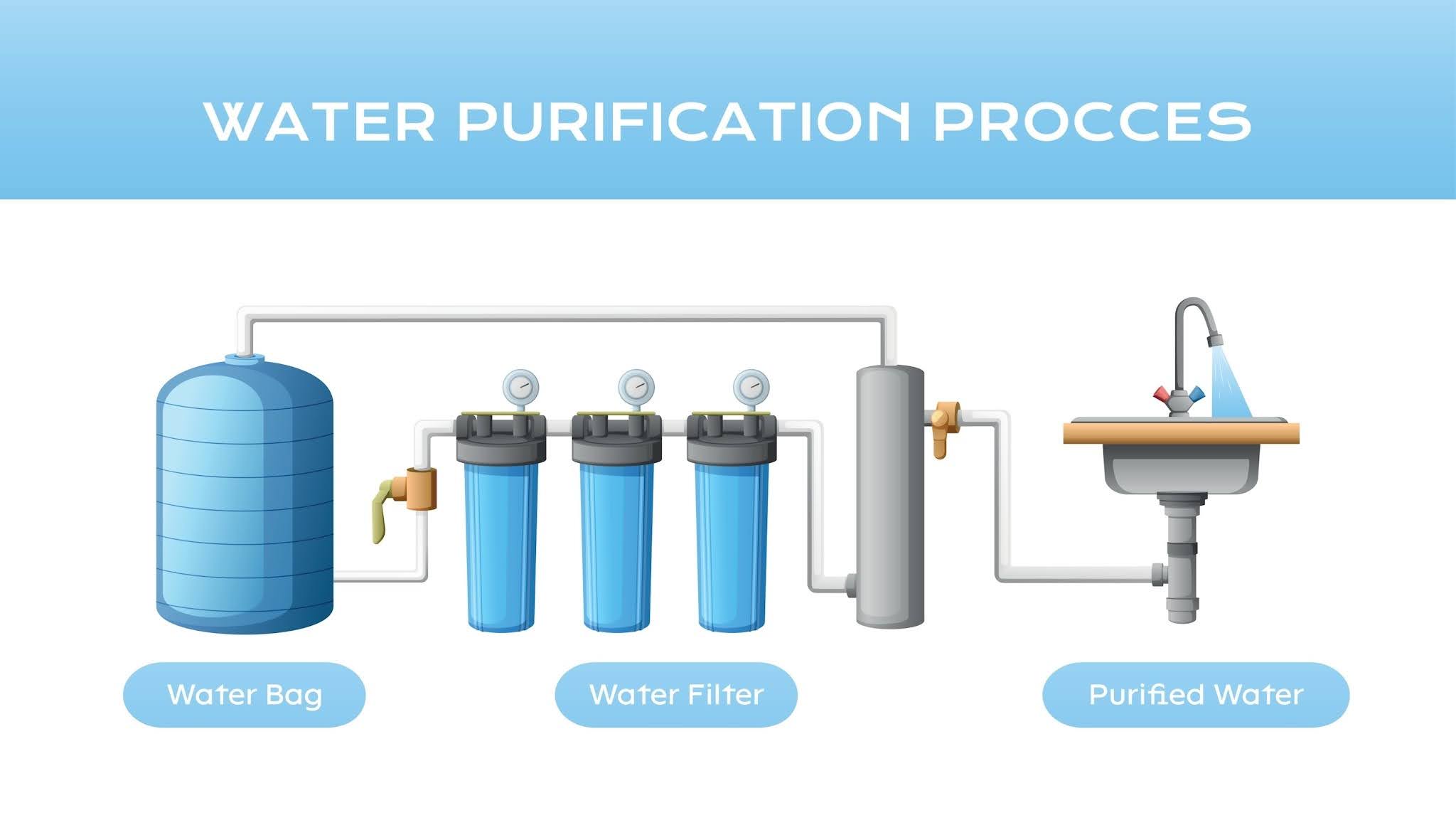
Standard pitcher filters often fail to remove volatile organic compounds (VOCs) like TCE. Effective removal typically requires Activated Carbon Block filtration or Reverse Osmosis systems specifically rated for VOCs.


What are the earliest “red flags” of solvent-induced neurodegeneration?

Before tremors appear, many individuals notice “non-motor” symptoms such as:

Join the Newsletter

Subscribe to get our monthly newsletter