
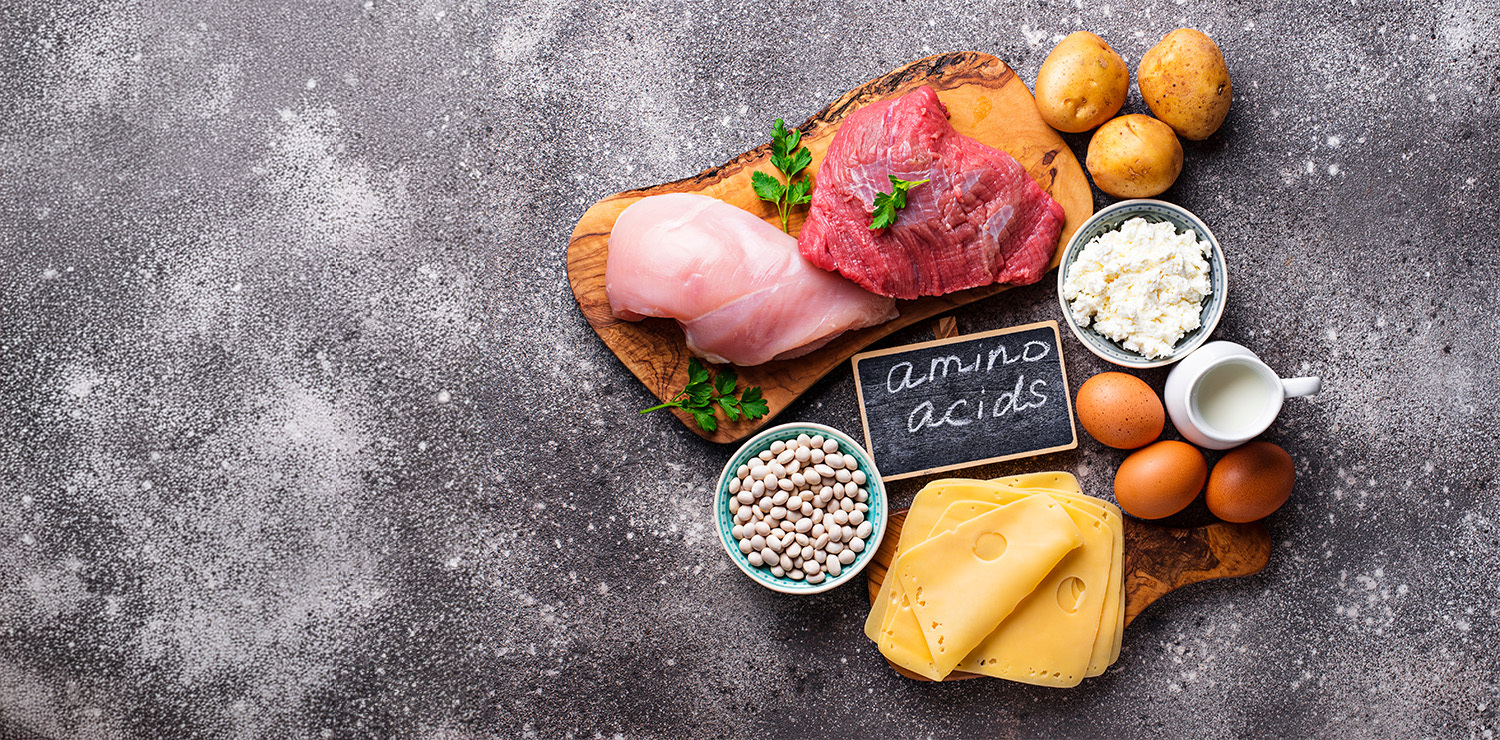
Many people want to understand how emerging research, complementary strategies, and integrative approaches fit into the broader discussion of Parkinson’s care. One topic that often comes up is the amino acid protocol, a complementary approach sometimes discussed alongside traditional Parkinson’s medication.
Much of the public conversation around amino acids is driven by curiosity about how nutrition, biochemical pathways, and supportive wellness patterns may intersect with Parkinson’s biology.
Why Amino Acids Are Part of the Parkinson’s Conversation
Amino acids are the building blocks of proteins, neurotransmitters, and many of the body’s essential biochemical processes. Because dopamine, the neurotransmitter most closely associated with Parkinson’s disease, is synthesized from the amino acid L-tyrosine, it’s no surprise that people often wonder whether nutritional pathways or amino acid therapies can complement traditional Parkinson’s treatment.

Research communities focusing on nutritional neuroscience frequently explore how diet, amino acid balance, and gut absorption may influence the body’s natural biochemical systems. Although this work does not replace medication, it has become part of the broader dialogue around natural Parkinson’s management, especially among individuals interested in supportive, integrative strategies.
Here at The Parkinson’s Plan, we view these conversations as part of a bigger picture: understanding how people can support their overall wellness, safely, and always in partnership with their medical team.
What People Mean When They Mention the “Amino Acid Protocol”
In many Parkinson’s forums and educational circles, the amino acid protocol typically refers to a structured nutritional approach that focuses on balancing the precursor molecules used in neurotransmitter pathways. This usually involves exploring how various amino acids interact with:
- Dopamine precursor pathways
- Serotonin precursor pathways
- Competition between nutrient absorption channels
- The body’s natural neurotransmitter regulation
- Interactions with traditional Parkinson’s medication
Because levodopa and other Parkinson’s treatments also interact with these biochemical pathways, some individuals become curious about how amino acids may work alongside those medications, rather than instead of them.
Again, this is where clarity is essential: discussions around amino acids are not medical directives. They’re part of a broader scientific and integrative conversation about how the body processes nutrients, manages neurotransmitters, and interacts with medication.
Why Some People Explore Amino Acids as a Complementary Approach
Many individuals who explore nutritional protocols are motivated by a simple idea: they want to support their overall health in every dimension available to them. For some, amino acids represent a natural way to think about supporting the body’s biochemical foundation.
Public-university research groups in nutrition and integrative health often explore areas like:
- Dopamine synthesis pathways
- The role of protein in neurotransmitter formation
- The balance between amino acids that compete for absorption
- How gut health and digestion influence nutrient availability
- The relationship between amino acids and energy metabolism
These discussions do not replace traditional care. Instead, they highlight how complex and interconnected the body’s systems are, and why some people feel drawn to a more holistic view of integrative Parkinson’s care.
How This Fits Into the Broader Landscape of Parkinson’s Medication
Traditional Parkinson’s treatment, especially therapies involving dopamine replacement or dopamine agonists, remains the cornerstone of clinical care. The amino acid discussion does not replace these medications. Instead, it arises because:
- Amino acids are upstream in the biochemical process
- Nutrition influences how the body absorbs and utilizes medication
- Some individuals notice that dietary changes can affect daily symptom experience
- Integrative care models often look at medication and nutrition together rather than separately
Our team here at The Parkinson’s Plan always emphasizes the same principle:
Medication decisions must always remain in the hands of clinical professionals.
But understanding the nutritional landscape helps people navigate conversations with clarity and confidence.
The Interest in Natural and Integrative Approaches
As integrative care continues to grow nationwide, we see more families combining traditional medicine with:
- Nutritional strategies
- Mind–body practices
- Lifestyle adjustments
- Supportive wellness routines
- Complementary health frameworks
This does not represent an alternative to medical care, it’s a recognition that people want to support their health on multiple fronts. The amino acid conversation fits naturally into this movement.
Here at The Parkinson’s Plan, we see these discussions as an opportunity to help individuals evaluate information critically, understand scientific context, and make educated decisions in collaboration with their healthcare providers.
What We Encourage People to Understand About These Protocols
- Research on amino acid supplementation in Parkinson’s is still evolving
- Interactions with medication require professional clinical guidance
- Nutritional changes can significantly influence dopamine pathways
- Wellness approaches should always be integrated, not isolated
- Context matters, no two people have the same biochemical or neurological profile
Our mission is to support clarity, not to promote any single approach. By helping people understand the scientific framework around amino acids, we empower them to engage in more informed, confident conversations with their clinicians.
Why This Topic Matters to Us at The Parkinson’s Plan
Individuals affected by Parkinson’s often explore a wide range of questions:
“What else can I do?”
“How do nutrition and medication interact?”
“Is there a natural way to support my system?”
These are valid and deeply human questions. The amino acid protocol conversation exists because people want to understand how their bodies work, and how to support themselves beyond medication alone.
Here at The Parkinson’s Plan, we believe that knowledge is one of the most powerful tools families can carry. When people understand nutritional science, biochemical pathways, and the principles of integrative care, they gain agency. They become partners in their wellness journey, not passive recipients of treatment.
Frequently Asked Questions
What is the amino acid protocol for Parkinson’s?
It refers to an integrative nutritional framework focused on amino acids involved in neurotransmitter pathways, discussed as a complementary approach to traditional therapy.
Does the amino acid protocol replace Parkinson’s medication?
No. Traditional Parkinson’s medication remains central to clinical care. Amino acid approaches, when explored, are complementary and require clinical oversight.
Is this considered natural Parkinson’s management?
It falls within the broader realm of natural Parkinson’s management, but only as part of an integrative framework, not as a standalone solution.
How does this fit into integrative Parkinson’s care?
Integrative models combine medication, lifestyle, nutrition, and supportive strategies. Amino acids represent one component of that larger ecosystem.
Why do some people explore this approach?
Many individuals are interested in understanding how nutrition and biochemical pathways may support their wellbeing alongside traditional treatment.
With Care,
Dr. Shakira Dragg