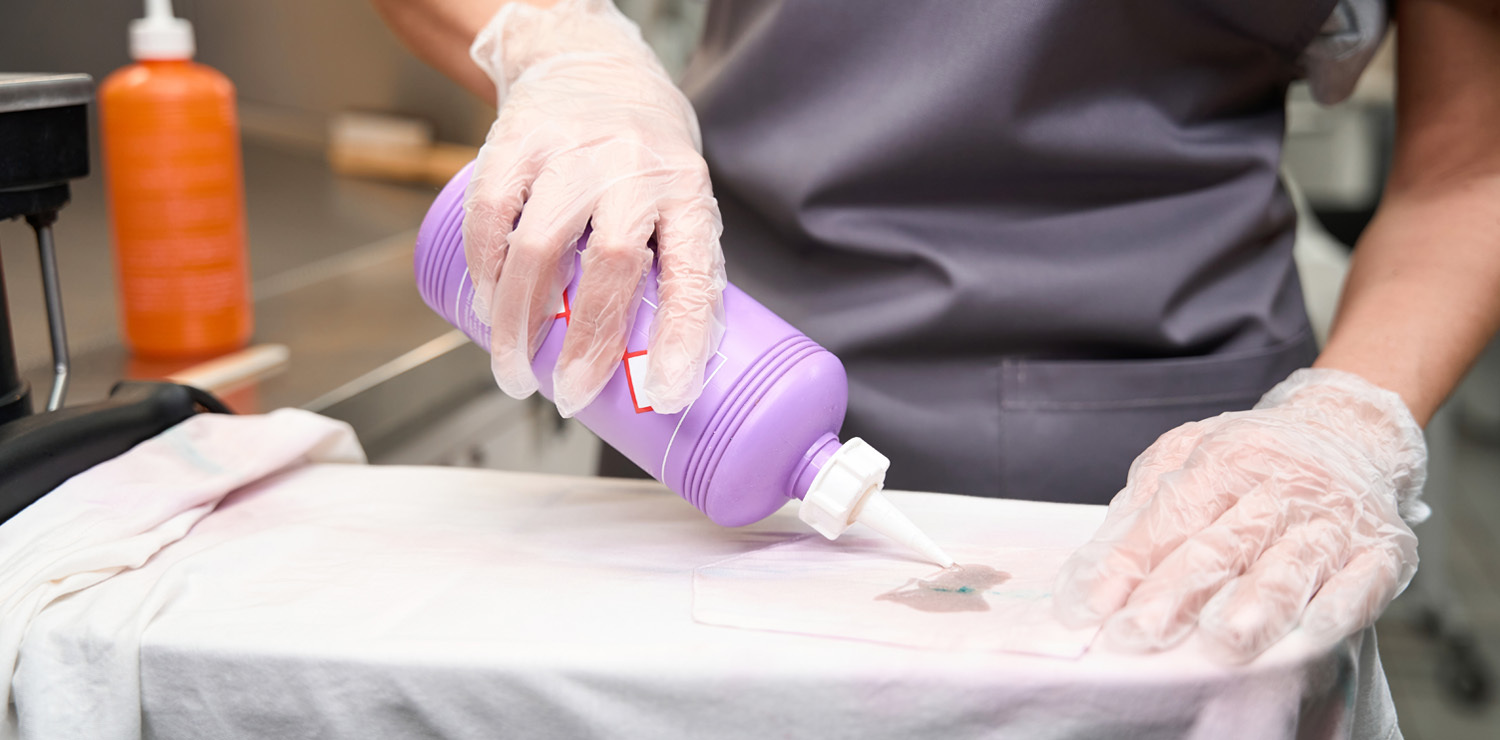
What are Industrial Solvents? Industrial solvents are a group of volatile liquid chemicals. These include: degreasers, thinners, and cleaning agents, used to dissolve or disperse materials like oils, fats, and resins. Because they are designed to break down tough industrial substances, they are often “lipophilic” (fat-soluble), allowing them to easily bypass the body’s natural defenses and enter the lipid-rich environment of the human brain.
| Solvent |
Common Use Case |
Main Risk |
| Trichloroethylene (TCE) |
Metal Degreasing, Dry Cleaning |
Substantia Nigra damage |
| Perchloroethylene (PERC) |
Dry Cleaning, Brake Cleaners |
Neuroinflammation |
| Toluene |
Paint Thinner, Adhesives |
Mitochondrial Stress |
The Trichloroethylene (TCE) Connection: A Known Neurological Threat
Among the various compounds linked to dopaminergic cell death, Trichloroethylene (TCE) stands out as the most concerning. Once a widespread degreasing agent and even a dry-cleaning solvent, TCE is a volatile organic compound that:
- Crosses the Blood-Brain Barrier: It easily enters brain tissue due to its fat-soluble nature.
- Targets the “Substantia Nigra”: It specifically damages the area of the brain responsible for producing dopamine.
- Persists in the Environment: TCE contamination in groundwater and soil means exposure can continue decades after industrial activity has ceased.
|
DID YOU KNOW?
Research suggests that high-level exposure to certain solvents like TCE can increase Parkinson’s risk by over 500%. Because the latency period can be 10 to 40 years, many patients do not immediately connect their current symptoms to past workplace environments.
|
How Chemical Toxicity Affects the Brain
Industrial chemical toxicity doesn’t cause damage overnight. It is a “slow-burn” process where the body’s detoxification pathways become overwhelmed.
- Mitochondrial Interference: Solvents act as metabolic “sand in the gears,” preventing your cells from producing energy efficiently.
- Oxidative Stress: Exposure triggers a flood of free radicals that strip the protective membranes of your neurons.
- Chronic Neuroinflammation: Once the brain’s immune cells (microglia) are activated by toxins, they may stay “on,” causing long-term, low-grade inflammation.
The 5 Stages of Solvent-Induced Neurodegeneration
Understanding the progression allows for earlier intervention.
- Stage 1: Primary Exposure – Inhalation or skin contact in poorly ventilated workspaces or through contaminated water.
- Stage 2: Bioaccumulation – Toxins store themselves in fatty tissues (including the brain) because the liver cannot clear them fast enough.
- Stage 3: Subclinical Stress – Cellular energy drops; you may experience “brain fog,” fatigue, or minor coordination issues.
- Stage 4: Dopaminergic Vulnerability – The brain loses its “buffer.” Neurons begin to die off, though the body compensates for a time.
- Stage 5: Clinical Manifestation – Visible symptoms emerge, such as resting tremors, rigidity, and bradykinesia (slowness of movement).
Who is Most at Risk?
Occupational hazards are highest for those who have spent significant time in:
- Aviation & Auto Repair (Degreasers and fuels)
- Dry Cleaning (Trichloroethylene (TCE)/Perchloroethylene (PERC))
- Commercial Painting & Printing (Thinners and inks)
- Manufacturing (Metal cleaning and vapor degreasing)
| THE CAMP LEJEUNE PRECEDENT You do not have to work in a factory to be at risk. Between 1953 and 1987, thousands of service members and families at Camp Lejeune were exposed to TCE levels in drinking water that were 280 times the safety limit. This exposure has been officially linked to a significantly higher incidence of Parkinson’s Disease among veterans, proving that environmental “micro-exposures” over time can be just as damaging as direct industrial work |
The Genetic Filter: Why Some Are More Vulnerable
Not everyone exposed to industrial solvents will develop a neurological condition. The difference often lies in your biochemical individuality. Your body relies on a specific family of enzymes to “tag” and escort toxins out of your system.
The CYP2E1 Enzyme Connection
The CYP2E1 gene provides instructions for making an enzyme that breaks down several types of toxins, including Trichloroethylene (TCE).
- The “Slow Detoxifier” Risk: If you have certain genetic variations (polymorphisms) in this gene, your liver may process solvents much more slowly. Instead of being neutralized, the chemicals linger in your bloodstream longer, allowing them to cross the blood-brain barrier.
- The Metabolic Trap: In some cases, a high-activity CYP2E1 enzyme can actually be dangerous. It may convert a relatively stable solvent into a highly reactive toxic intermediate (a free radical) faster than your antioxidant systems (like Glutathione) can neutralize it.
The GST (Glutathione S-Transferase) Shield
Another critical factor is the GSTM1 and GSTP1 genes. These genes manage the production of Glutathione, your brain’s primary defense against oxidative stress. If you have a “null” genotype for these genes, your “shield” against solvent-induced damage is effectively down.
Clinical Summary: When we combine a high-exposure history with a genetic inability to detoxify those specific chemicals, the risk for dopaminergic cell loss increases exponentially. This is why a “one-size-fits-all” approach to Parkinson’s often fails.
Reducing Your Toxic Load: The 3-Pillar Strategy
If you suspect past or present exposure, the clinical goal shifts from avoidance to active elimination. We use a “Bio-Purification” approach to support your neurological resilience.
Pillar 1: Biological Detoxification
We must “unclog” the pathways that solvents use to damage your brain.
- Restore Glutathione Levels: Known as the “Master Detoxifier,” Glutathione is often depleted by solvent exposure. Supplementing with N-Acetyl Cysteine (NAC) or Liposomal Glutathione helps rebuild your “chemical shield.”
- Up-regulate Phase II Liver Pathways: Support the enzymes responsible for tagging toxins for removal using cruciferous vegetable extracts (Sulforaphane) and Calcium D-glucarate.
- Mitochondrial Rescue: Use CoQ10 and PQQ to provide the “cellular energy” your neurons need to repair damage caused by oxidative stress.
Pillar 2: Environmental Remediation
Stop the “micro-exposures” that happen inside your own home.
- VOC-Grade Water Filtration: Standard pitcher filters don’t stop TCE. Utilize Activated Carbon Block or Reverse Osmosis systems specifically rated for Volatile Organic Compounds.
- Air Purification: Use HEPA filters with a dedicated charcoal stage to capture gasses and vapors that regular dust filters miss.
- The “No-Shoes” Rule: Many industrial solvents hitchhike into your home on the soles of your shoes via contaminated soil.
Pillar 3: Neuro-Protective Nutrition
Create a biological “buffer” against oxidative stress.
- Polyphenol Loading: High-dose intake of berries, green tea, and dark leafy greens provides the antioxidants needed to neutralize free radicals before they hit the Substantia Nigra.
- Lipid Support: Since solvents target fatty tissues, consuming high-quality Omega-3 fatty acids (DHA/EPA) helps maintain the integrity of your neuronal membranes.
A New Path Forward with The Parkinson’s Plan
A Parkinson’s diagnosis, or the fear of one, can feel overwhelming, but environmental risk is a modifiable factor. By identifying your specific toxic burden and implementing a personalized detoxification and neuro-support protocol, you can take more control of your brain health.
Schedule a complimentary Meet and Greet Today
Frequently Asked Questions