
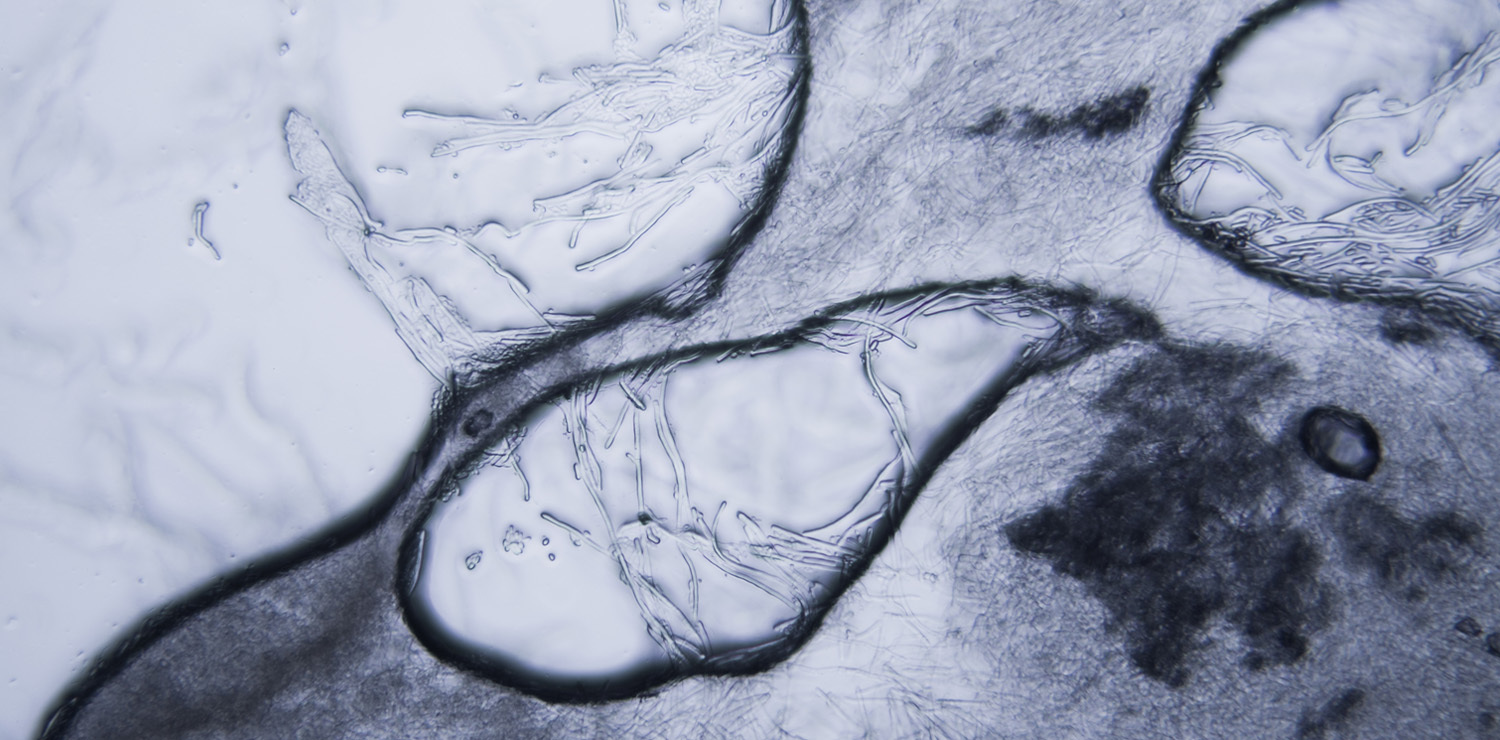
Unlike visible mold growth, mycotoxins are microscopic, chemically stable, and biologically active, meaning they can persist in indoor environments and the human body long after exposure occurs.
Laboratory and epidemiological research suggests that some mycotoxins possess neurotoxic, immunotoxic, and mitochondrial-disrupting properties, mechanisms that overlap with pathways known to be involved in Parkinson’s disease.
Importantly, this does not mean mold causes Parkinson’s. Rather, current evidence supports the idea that mycotoxins may contribute to biological stressors already implicated in neurodegeneration.
What it is: Mitochondria are the “power plants” inside your cells. They take the food you eat and the oxygen you breathe and turn them into energy.
The Mold Connection: Mycotoxins like Ochratoxin A act like a “short circuit” in these power plants. They stop the production of energy, specifically in the parts of the brain that control movement.
What it is: Oxidative stress is essentially internal “rusting.” It happens when unstable molecules (called ROS) overwhelm your body’s antioxidants, damaging everything they touch.
The Mold Connection: Mold exposure triggers a massive wave of this “rust.” This is dangerous because, in a rusted environment, a specific protein called alpha-synuclein begins to warp and clump together.
What it is: Your brain has a specialized security fence called the Blood-Brain Barrier. It is designed to let nutrients in while keeping toxins out.
The Mold Connection: Many mold toxins are “lipophilic,” meaning they are fat-soluble. Because your brain is largely made of fat, these toxins act like a “universal key,” slipping right through the security fence or even tearing holes in it.
What it is: Microglia are your brain’s resident security guards. Their job is to “swallow” pathogens and keep things clean.
The Mold Connection: Breathing in mold spores puts these guards on high alert. However, chronic exposure means the “alarm” never stops ringing.
Evidence-Based Risks of Black Mold (Stachybotrys chartarum)
“Black mold” is uniquely hazardous due to Satratoxins. Research suggests these specific mycotoxins are significantly more potent than others in their ability to:
Clinical Insight: A 2020 study published in Science of The Total Environment highlighted that “the ‘toxic smell’ of mold (VOCs) can specifically damage dopaminergic neurons, leading to motor deficits characteristic of Parkinsonism” (Source: NIH/PubMed).
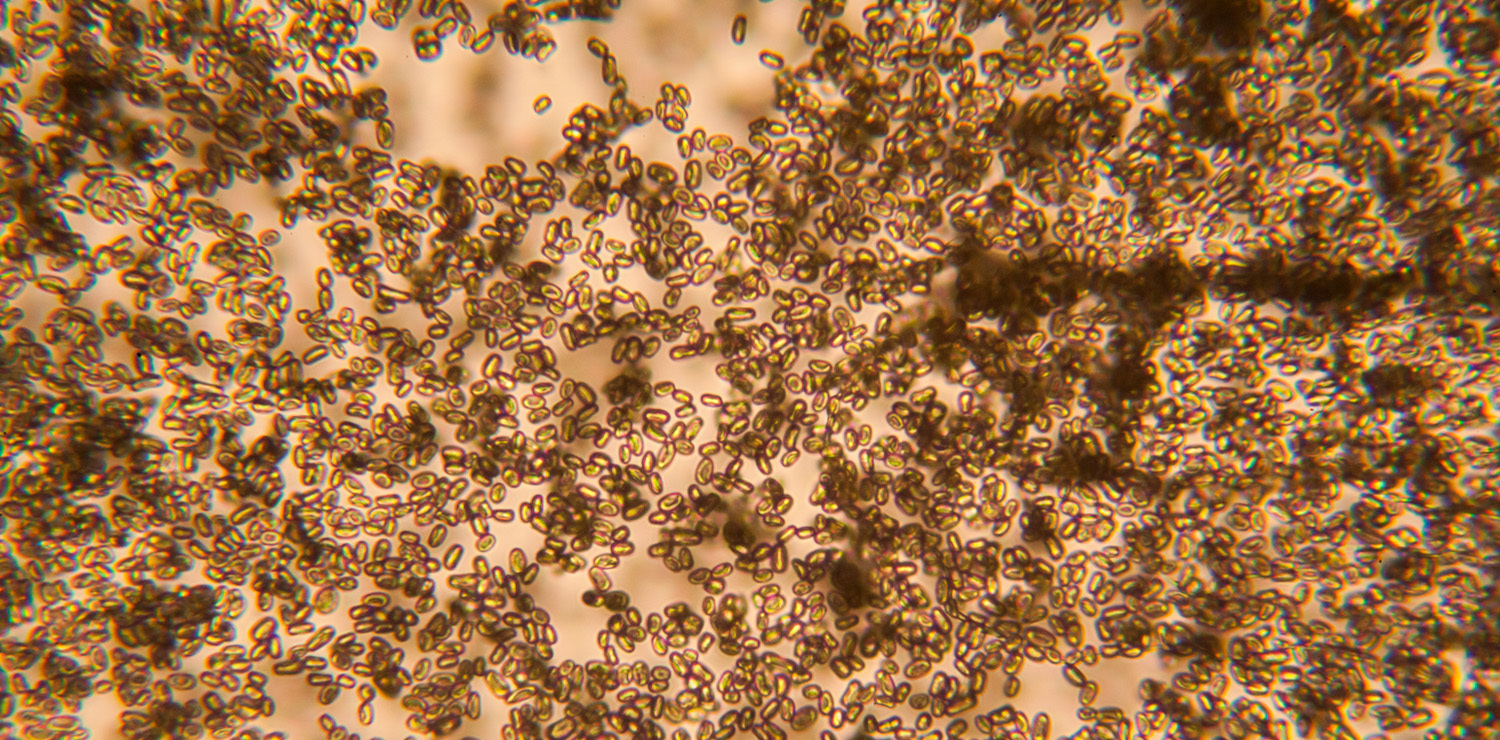
Environmental risk isn’t just about presence; it’s about bioaccumulation. Elevated neurological risk is observed in:
Initial Exposure Stage
Mycotoxins enter the body through airborne mold spores, contaminated food, or skin contact.
Bioaccumulation Stage
Toxins build up in organs, fatty tissue, and neural structures due to incomplete elimination.
Neurological Stress Stage
Oxidative damage, inflammation, and mitochondrial strain begin affecting brain function.
Dopamine Neuron Vulnerability Stage
Dopamine-producing neurons become more susceptible to damage, increasing motor and cognitive strain.
Clinical Symptom Stage
Parkinson’s-related symptoms, including movement difficulties and non-motor challenges, become more pronounced.
Addressing the link between mold and Parkinson’s requires a two-pronged strategy: Environmental Remediation (stopping the damage) and Biological Detoxification (cleaning up and repair).
Before the body can heal, the external “toxic rain” must stop. Mycotoxins are microscopic and “sticky,” meaning they linger in carpets, HVAC systems, and porous furniture long after a leak is fixed.
Detoxification isn’t a “juice cleanse”, it is a complex biochemical process. If you mobilize toxins without having a clear exit path, they can “re-circulate” and cause more damage to the brain.
The liver identifies mycotoxins and tags them for removal.
Once neutralized, toxins are dumped into the bile. However, the gut often re-absorbs them.
While detoxing, we must protect the “Substantia Nigra” (the brain’s movement center) from the oxidative stress caused by the toxins.
Important Note: Detoxifying mycotoxins in the context of Parkinson’s should always be medically guided. Rapidly moving toxins can temporarily increase “oxidative stress,” which requires professional monitoring to ensure neurological symptoms don’t flare.
What the science suggests:
What the science does not yet prove:
Parkinson’s is a complex puzzle, but environmental toxins like mold are one of the few modifiable risk factors. This means that while we cannot change your genetics, we can change your internal environment.
By identifying hidden mold and systematically clearing mycotoxins, we stop “fueling the fire” of neuroinflammation. This shift doesn’t just protect your brain cells, it can significantly improve your daily vitality, cognitive clarity, and quality of life.
You are more than your diagnosis. By addressing the toxic burden that often hides behind neurological symptoms, you are taking a powerful step toward long-term wellness and brain health.
