

Stooped posture is one of the most recognizable changes people notice as Parkinson’s begins to affect movement. The forward-bent stance, rounded shoulders, and dropped head position influence balance, comfort, and confidence in daily activities. Getting familiar with why this posture develops and how it fits into early Parkinson’s symptoms helps guide better support and earlier management.
Recognizing Parkinson’s Symptoms
Early changes can be subtle. Tremors often start in the hands at rest. Slowed movement and stiffness make everyday tasks harder to complete. Handwriting may shrink over time. These shifts, along with early posture changes, help form a clearer picture of how the condition is progressing.
How Posture Fits In?
Posture changes are a significant aspect of Parkinson’s symptoms. A stooped posture can be one of the first visible signs of the disease.
The progression of stooped posture can signal worsening of the underlying neurological condition. It’s crucial to monitor these changes closely. Posture changes can also affect other aspects of health, such as breathing and digestion. A comprehensive approach to management should consider these factors.
Parkinson’s Stooped Posture
Understanding the nuances of Parkinson’s stooped posture is vital for managing the condition effectively. This section delves into:
- what stooped posture entails,
- its occurrence in Parkinson’s,
- the challenges it poses.
Stooped posture refers to a forward-bending stance that many with Parkinson’s experience. This is characterized by a hunching of the shoulders and an inclination of the head and neck forward.
The hunched over posture can significantly affect one’s balance and mobility. It’s important to address this symptom early to prevent further complications. Understanding why this posture occurs can provide insights into better management and care strategies.
The impact of stooped posture extends beyond physical health. It can influence social interactions and self-esteem, making it crucial to address both the physical and emotional aspects of this condition.
Why It Happens in Parkinson’s?
The underlying reasons for a stooped posture in Parkinson’s are primarily neurological. The disease affects the brain’s ability to regulate movement, leading to muscle stiffness and rigidity.
Muscle rigidity is a hallmark of Parkinson’s symptoms, contributing significantly to the development of a hunched over posture. This rigidity makes it difficult for individuals to maintain an upright stance.
Postural instability often accompanies this condition, further exacerbating the stooped posture. Understanding these neurological changes is key to developing effective management strategies.
Common Challenges Faced
Individuals with Parkinson’s face numerous challenges due to stooped posture. These challenges range from physical discomfort to difficulties in performing daily tasks.
- Physical discomfort often results from prolonged periods of poor posture, leading to muscle and joint pain.
- Daily tasks such as reaching for objects or walking can become arduous. This can reduce independence and quality of life, highlighting the need for effective interventions.
- Social and emotional challenges are also prevalent. A stooped posture can affect self-image and confidence, underscoring the importance of comprehensive support strategies.
Impact on Daily Life
The impact of a hunched-over posture on daily life can be profound. It can limit mobility and independence.
Mobility issues can result from balance problems associated with stooped posture. This can increase the risk of falls and injuries.
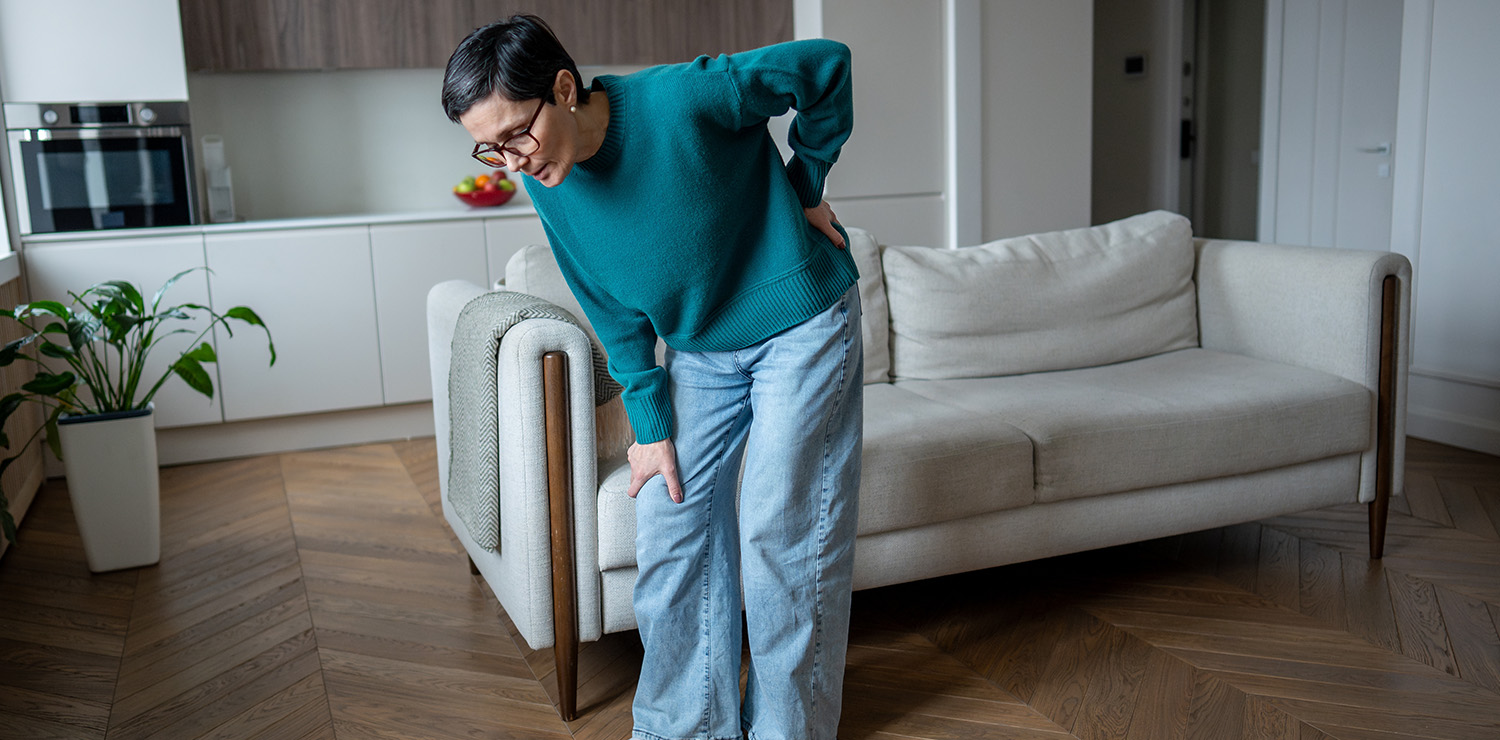
Social interactions may also be affected. A hunched posture can influence how individuals perceive themselves and are perceived by others. Adapting the living environment and daily routines can help mitigate these impacts, improving overall quality of life.
Managing Hunched Over Posture
Effective management of a hunched over posture is possible through targeted exercises, therapeutic approaches, and assistive devices. This section explores these options.
Exercises to Improve Posture
Regular exercise can help improve posture and alleviate the symptoms of Parkinson’s stooped posture.
- Stretching exercises are beneficial. They help reduce muscle stiffness and promote flexibility, aiding in maintaining a more upright posture.
- Strength training is also important. Targeting postural muscles can help support the spine and improve overall stability.
- Incorporating balance exercises can enhance mobility and reduce fall risk. Consistency in exercise routines is key for long-term benefits.
Therapeutic Approaches
Therapeutic interventions can complement exercise in managing stooped posture.
- Physical therapy is often recommended. Therapists can tailor programs to individual needs, focusing on improving posture and mobility.
- Occupational therapy can also be beneficial. It helps individuals adapt daily activities to accommodate posture changes.
- Massage therapy may provide relief from muscle stiffness. It can enhance circulation and improve comfort, supporting overall posture management.
Role of Assistive Devices
Assistive devices add support, improve safety, and help make daily movement more manageable for people experiencing stooped posture.
Walking aids
Tools such as canes or walkers improve balance and stability. They reduce fall risk, especially on uneven surfaces or during longer walks.
Posture supports
Posture correctors or wearable supports offer gentle reinforcement to help maintain a more upright position. They can reduce the tendency to lean forward during standing or walking.
Adaptive daily-living tools
Reachers, dressing aids, and similar tools make routine activities easier to perform without straining or bending. These devices support independence and reduce discomfort throughout the day.
Developing The Parkinson’s Plan
Creating a comprehensive Parkinson’s Plan involves setting realistic goals, collaborating with healthcare professionals, and monitoring progress. This section provides guidance on developing an effective plan.
Setting Realistic Goals
Setting achievable goals is an essential step in managing Parkinson’s stooped posture. Goals should be specific and tailored to the individual’s needs.
- Identify priorities based on the individual’s daily challenges and limitations.
- Set short-term and long-term goals that are measurable and achievable.
- Review and adjust goals regularly to accommodate changes in symptoms and abilities.
Involving Healthcare Professionals
Healthcare professionals play a vital role in managing Parkinson’s symptoms. Collaboration with a multidisciplinary team can enhance outcomes.
- Neurologists can provide medical insights and adjust treatment plans as needed.
- Physical and occupational therapists offer specialized exercises and techniques to improve posture and mobility.
- Nutritionists and speech therapists may also contribute to a comprehensive care plan, addressing other areas impacted by Parkinson’s.
Tracking Progress and Adjustments
Monitoring progress is crucial for effective management. Regular evaluation helps identify areas for adjustment in the Parkinson’s Plan.
- Maintain a symptom diary to track changes in posture and other symptoms.
- Schedule regular check-ups with healthcare providers to assess progress and make necessary adjustments.
- Solicit feedback from caregivers or family members to gain additional insights into daily challenges and improvements.
Conclusion
In conclusion, a stooped posture is a common and often overlooked feature of Parkinson’s disease that can affect balance, mobility, and overall quality of life.
Recognizing this symptom early and incorporating targeted interventions such as physical therapy, posture exercises, and mobility aids can help slow its progression and improve daily functioning. By staying informed and proactive, patients and caregivers can take meaningful steps to maintain independence, reduce the risk of falls, and enhance overall well-being.